









출고예상일 안내
주문하신 상품이 한국에서 현지 배송을 위한 출고단계가 이루어질 것으로 예상되는 날짜입니다. 상품을 준비하는 과정에서 내부적인 사정으로 인해 출고예상일에 다소 오차가 생길 수 있습니다.
여러 상품(예약상품포함)을 함께 주문하신 경우 출고예상일이 가장 늦은 날짜에 맞춰 함께 배송됩니다.


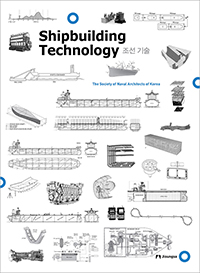





ISBN : 9788978893046 / 665쪽 200 x 265 (㎜)
이 상품에 궁금하신점이 있으세요? 1:1상담문의



아래의 도서와 구매하시면 이 도서들의 적립금을 즉시적용해 드립니다.
-

칼 세이건
-

데이비드 수실로
-

김은경
-

라일리 블랙
- 19,800
- 19,800
- 22,500
- 18,900


출판사 리뷰
출판사 서평 대한민국 조선해양산업의 경쟁력 강화와 더불어 세계 제1위 조선국의 위상을 드높이기 위한 첫 걸음, [조선 기술] 영문판 드디어 출간! 조선해양공학 분야의 학술 및 기술 발전과 보급에 기여하기 위?해 1952년 11월 조선공학 전공학자들이 중심이 되어 설립된 대한조선학회에서는 조선해양산업에 관심을 가진 모든 이를 위해 전공에 관계없이 조선 기술 전반의 핵심을 두루 살펴볼 수 있는 도서가 필요하다는 데 뜻을 모아 지난 2011년 12월 30일 [조선 기술-배 만들기의 모든 것](지성사 출간)을 펴냈다. 조선업계는 물론 학계,... 대한민국 조선해양산업의 경쟁력 강화와 더불어 세계 제1위 조선국의 위상을 드높이기 위한 첫 걸음, [조선 기술] 영문판 드디어 출간! 조선해양공학 분야의 학술 및 기술 발전과 보급에 기여하기 위해 1952년 11월 조선공학 전공학자들이 중심이 되어 설립된 대한조선학회에서는 조선해양산업에 관심을 가진 모든 이를 위해 전공에 관계없이 조선 기술 전반의 핵심을 두루 살펴볼 수 있는 도서가 필요하다는 데 뜻을 모아 지난 2011년 12월 30일 [조선 기술-배 만들기의 모든 것](지성사 출간)을 펴냈다. 조선업계는 물론 학계, 연구소 등 조선 기술과 관련 있는 모든 분야의 최고 전문가로 구성된 편찬위원 22명이 심혈을 기울인 이 책은 우리나라 조선산업과 조선 기술 전반을 이해하는 데 훌륭한 지침서로 평가받고 있다. 여기에 머물지 않고 대한조선학회에서는 세계 제1위 조선강국의 위상을 드높이기 위한 작업으로 4년여에 걸쳐 마침내 영문판을 펴내게 되었다. 조선공학에 뜻을 둔 세계의 모든 젊은이는 물론, 현직에 있는 세계 조선 기술자들이 대한민국의 조선 기술을 개관하는 도서로 널리 활용할 수 있으리라 자부한다. ?Publication of English version Shipbuilding Technology was finally published in January 2012 and since then it has served as a favorite primer for understanding naval architecture and ocean engineering. The first edition was sold out so fast and additional copies were printed in September 2012. Such a reputation made the book to be chosen as one of the best academic publication of the year by the Ministry of the Culture and Tourism in July 2012. In November, SNAK sounded Prof. Hyochul Kim, chairman of the editorial committee, out on translation of Shipbuilding Technology into English. The translation was a challenging task to the committee but it couldn’t simply ignore the proposal. Therefore, the chairman convened a meeting of the authors of Shipbuilding Technology, mostly work in the southern part of the country, at a conference room of DSEC Co., Ltd. in Busan. It was decided to go ahead with the translation project and various topics such as an estimate and work scope were discussed along with plans for publication and distribution of the final product. Based on the results of the meeting, the committee for translation of Shipbuilding Technology into English was formed on December 14th, 2012 to give shape to the action plan. An additional authors’ meeting was held in Geoje region on January 24th, 2013 and subsequently some leading members of the committee visited Hyundai Heavy Industries Co. and Mipo Dockyard Co., Ltd. to ask for their supports. The participants in the translation was finalized at the committee meeting on February 4th, 2013 held at the Department of Naval Architecture and Ocean Engineering, Chungnam National University and they gathered together for the first time on February 28th, 2013. SNAK’s board of directors officially decided on March 8th, 2013 to translate the book into English to commemorate the 60th anniversary of SNAK. At the committee meeting held on May 23th, 2013 in Jeju Island, it was decided to collect and integrate translated manuscripts until July 30th. However, some of the participants were too busy to meet the schedule and made the whole project stalled until professional expert take over their manuscripts. The original intention of the committee was to conclude the project no later than end of October 2013 but it actually took more than 18 months to complete the final English manuscript of Shipbuilding Technology on February 2015. It should be mentioned here that Dr. B. S. Lee who served at University of Strathclyde, Glasgow contributed greatly to polishing up the translated manuscripts and made the manuscripts become a step closer to familiar English. The committee extends its appreciation to Dr. Lee, and also to Prof. Jong Ho Nam, Mr. Soon Gil Park and Mr. Seung Kyun Park who joined the translation project later to back up. The committee expects that English version of Shipbuilding Technology can be published in September, 2015 and that the book would be a small return to the global shipbuilding community from Korea, the country initiated its own shipbuilding industry with help of Western technology. The commit

-
- 저자 : The Societ

목차
●A Word from the President
●Foreword
●Foreword from Korean edition
●Editor’s Preface
CHAPTER 1: Introduction to Ships and Shipbuilding
1. Definitions of Ships and Their Significance/ 2. Ships and Shipbuilding
3. Types of Ships/4. Origins of Korean Shipbuilding Technologies
5. Outline History of the World Shipbuilding Industry/6. Marine Equipment Industry References
CHAPTER 2: Sale and Purchase of Ships
1. Introduction/ 2. Preparation for Ordering/ 3. Ship-owner’s Decision to Place Orders/ 4. Shipyard’s Bid Preparations/ 5. Contract Negotiations/ 6. Contract Documents/ 7. Contract Management/ 8. After-Delivery Service/ References
CHAPTER 3: Ship Design
1. Definition and Characteristics of Ship Design/ 2. Principal Dimensions as a Design Consideration/ 3. Design Constraints/ 4. Design Process and Steps/ 5. Computer-Aided Ship Design and Application of Information Technology/ References
CHAPTER 4: Hull Form Design
1. Ship’s Principal Particulars and Hull Form Coefficients/ 2. Basics of Hull Form Design/ 3. Hull Forms and Power Requirements/4. Ship Stability and Righting Moments/ 5. Characteristics of Hull Forms by Ship Types/ References
CHAPTER 5: Resistance and Propulsion
1. Introduction/ 2. Viscous Resistance/ 3. Wave-Making Resistance/ 4. Determining the Ship Resistance/ 5. Local Flow Measurements/ 6. Propeller/ 7. Propulsion of Ships/ 8. Powering of Ships/ 9. Cavitation/ 10. Unconventional Propulsors/ References
CHAPTER 6: Ship Motions and Maneuverability
1. Ocean Waves/ 2. Basic Equations of Ship Motions/ 3. Ship Motions in Regular Waves/ 4. Ship Motions in Irregular Waves and Application to Design/ 5. Control of Ship Motions/ 6. Other Major Issues Associated with Ship Motions/ 7. Ship Maneuverability/ 8. Evaluation of Ship Maneuverability/ 9. Control of Ship Maneuvering/ References
CHAPTER 7: Propulsion Plant
1. Development of Marine Propulsion Systems/ 2. Types of Propulsion Machinery/ 3. Shafting System for Ship Propulsion/ 4. Fuels/ 5. Future Technologies for Power and Propulsion Plant/ References
CHAPTER 8: General Arrangement
1. Introduction to Compartments and General Arrangement/ 2. Arrangement of Bulkheads/ 3. Arrangement of Machinery Spaces/ 4. Arrangement of Fuel Oil Tanks/ 5. Arrangement of Cargo Spaces by Ship Type/ 6. Arrangement of Deck Spaces/ 7. Layout of Accommodation Quarters/ 8. Layout of Navigation Bridge/ 9. General Arrangement of Passenger Ships/ References
CHAPTER 9: Ship Structures
1. External Forces Acting on the Hull/ 2. Hull Damage/ 3. Characteristics of Ship Structure/ 4. Structural Strength of the Hull/ 5. Structural Analysis of the Hull/ 6. Vibration and Noise/ References
CHAPTER 10: Outfitting
1. Steering Gear and Rudders/ 2. Navigation and Radio System/ 3. Loading? Unloading System/ 4. Deck Outfitting/ 5. Lifesaving System/ 6. Piping Arrangements/ 7. Fire Safety/ 8. Air Conditioning Facility/ 9. Pollution Prevention Facilities/ 10. Accommodation Outfitting/ 11. Electricity and Lighting/ References
CHAPTER 11: Ship Production Technology
1. Production Design/ 2. Shipbuilding Facilities/ 3. Construction Processes
4. Outfitting Work/ 5. Erection/ 6. Painting Techniques and Paints/ 7. Special Ship Construction Techniques Developed in Korea/ 8. Launching/ 9. Inclining Experiments/ 10. Sea Trials/ References
CHAPTER 12: Production Management
1. Production Planning/ 2. Production Management System/ 3. Simulation of Production Process/ 4. Measuring Techniques/ 5. International Standards/ 6. Surveys/ References
CHAPTER 13: Naval Ships
1. Characteristics of Naval Ships/ 2. Platform Technologies/ 3. Naval Combat System Technologies/ 4. Survivability Technologies/ References
CHAPTER 14: Marine Leisure Craft
1. Forms of Marine Leisure/ 2. Types of Marine Leisure Craft/ 3. Design of Recreational Boats/ 4. Manufacturing Process of Recreational Boats/ 5. Berthing Facilities/ 6. Leisure Boat Industry in Korea/ References
CHAPTER 15: Offshore Structures
1. Pr

