









출고예상일 안내
주문하신 상품이 한국에서 현지 배송을 위한 출고단계가 이루어질 것으로 예상되는 날짜입니다. 상품을 준비하는 과정에서 내부적인 사정으로 인해 출고예상일에 다소 오차가 생길 수 있습니다.
여러 상품(예약상품포함)을 함께 주문하신 경우 출고예상일이 가장 늦은 날짜에 맞춰 함께 배송됩니다.


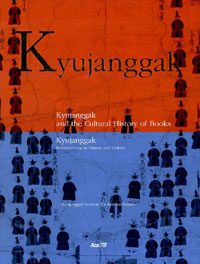





ISBN : 9788957331958 / 500쪽 197 x 265 (㎜)
이 상품에 궁금하신점이 있으세요? 1:1상담문의



아래의 도서와 구매하시면 이 도서들의 적립금을 즉시적용해 드립니다.

- 21,600
- 25,200
- 45,000
- 34,200


출판사 리뷰
출판사 서평 규장각의 과거와 현재를 폭넓게 돌아보고 규장각에 소장된 책들의 역사적이고 문화적인 의미를 되짚어보고자 “규장각의 역사와 문화” 시리즈의 발행 계획이 2008년 9월 수립되었고, 더불어 규장각의 역사와 소장품을 이해하고자 하는 외국인들을 위한 안내서 역할을 할 영문판도 발행하기로 했다. 이 영문판은 그 결실로서, 대우재단의 지원을 받아 아카넷에서 출판되었다. It has been suggested that in order to clarify the duty and functions of Gyujanggak once again, ... 규장각의 과거와 현재를 폭넓게 돌아보고 규장각에 소장된 책들의 역사적이고 문화적인 의미를 되짚어보고자 “규장각의 역사와 문화” 시리즈의 발행 계획이 2008년 9월 수립되었고, 더불어 규장각의 역사와 소장품을 이해하고자 하는 외국인들을 위한 안내서 역할을 할 영문판도 발행하기로 했다. 이 영문판은 그 결실로서, 대우재단의 지원을 받아 아카넷에서 출판되었다. It has been suggested that in order to clarify the duty and functions of Gyujanggak once again, we should take a comprehensive look upon the past and present of Gyujanggak and reevaluate the historical and cultural meaning of all the books currently in custody. So a plan for a series of publications entitled \"The History and Culture of Gyujanggak\" was established in September 2008, and a decision was made to publish English versions of the individual installments as well, as introduction pieces for foreign readers which would allow them to understand the history and collection of Gyujanggak. As part of such efforts, “Gyujanggak: Rediscovering its History and Culture” and “Gyujanggak and the Cultural History of Books” were published in August 2009, and now we present you with the English versions of those publications. For most people, the name Kyujanggak is immediately associated with the intrigues and splendor of the Joseon court, with venerable books and documents and the masterpieceof historical record keeping that is the “Veritable records of the Joseon dynasty”. Unfortunately, however, beyond a small circle of specialists, most people are unaware of the sheer variety of documents and books that can be found here and the checkered history of this royal library. Kyujanggak reflects the late pre-modern and modern history of Korea, as it evolved from repository of royal writings to the centerpiece of Confucian statecraft, from imperial library of the Daehan empire to state of the art archive and research center. This series aims to introduce the collection to a wider audience, offering accessible yet accurate information on the collection and how it was formed. For the first time, it offers an English-speaking audience in-depth access to the treasures that can be found here and their cultural significance. Kyujanggak: Rediscovering its History and Culture is a historical overview of the development of Kyujanggak during the Joseon period(1392-1910). Originally intended only as a place to store writings by kings(\"Kyujang\" is a term for royal compositions), in 1776 King Jeongjo reinvented it as a research institute to foster the mosttalented and dedicated scholar officials. Hence its collections expanded vastly, and at this time Kyujanggak also started to publish books. In the last years of the dynasty, it became the imperial library of the Daehan empire, and at this time many works on Western science and history were acquired. During the period of Japanese encroachment and colonization, more books were added from regional archives, and after liberation, the collection continued to expand through personal donations. The richness and variety of the collection is amply illustrated in Kyujanggak and the Cultural History of Books, which introduces more than 200 examples of books, documents, maps, and paintings. This work not only explains the works’ contents and significance, but also how they were produced and circulated. Besides the famous \"veritable records\"(sillok) and ritual manuals(uigwe), there are also Buddhist works, medical manuals, maps of the whole country or of local counties, literary works, land ledgers, diplomatic correspondence, etc. In short, through this book it becomes clear that the Kyujanggak collection is a vital window into Korea’s pre-modern and early modern history. Both works were authored by eminent researchers of Kyujanggak and other institutions, who share their intimate knowledge of the collecti

-
- 저자 : 규장각한국학연구원


