









출고예상일 안내
주문하신 상품이 한국에서 현지 배송을 위한 출고단계가 이루어질 것으로 예상되는 날짜입니다. 상품을 준비하는 과정에서 내부적인 사정으로 인해 출고예상일에 다소 오차가 생길 수 있습니다.
여러 상품(예약상품포함)을 함께 주문하신 경우 출고예상일이 가장 늦은 날짜에 맞춰 함께 배송됩니다.


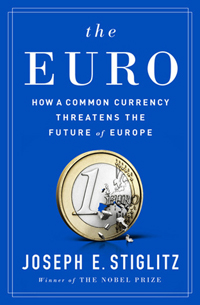
The Euro : How a Common Currency Threatens the Future of Europe (Hardcover)
Joseph E. Stiglitz 저 | W W Norton & Co Inc | 2016년 08월

- 정가
- $83.80
- 판매가
- $46.09 (45%↓)
- 적립금
- $0.92 (2%P)
품절된 상품입니다.
이 책을 꼭 원하시는 고객님께서는 아래 "상품문의"를 클릭 후 구매의사를
알려주세요. 책이 확보 될 경우 연락 드리겠습니다.



평점 - · 리뷰 0
304쪽 16 x 24 (㎜)
이 상품에 궁금하신점이 있으세요? 1:1상담문의



아래의 도서와 구매하시면 이 도서들의 적립금을 즉시적용해 드립니다.


출판사 리뷰
The Nobel Prize?winning economist and best-selling author explains why saving Europe may mean abandoning the euro. The euro was supposed to bring Europe closer together and promote prosperity; in fact, it has done just the opposite. The 2008 crisis revealed the shortcomings of the euro, and Europe’s stagnation and bleak outlook are a direct result of the fundamental flaws inherent in the EU project―economic integration outpacing political integration with a structure that promotes divergence rather than convergence. The question then is: Can the euro be saved? Laying bare the European Central Bank’s misguided inflation-only mandate, and explaining why austerity has condemned Europe to unending stagnation, Joseph E. Stiglitz outlines three possible ways forward: fundamental reforms in the structure of the Eurozone and the policies imposed on the member countries suffering the most; a well-managed end to the European Union; or a bold, new system dubbed the “flexible euro.” With its lessons for globalization in a world economy ever more deeply connected, The Euro is urgent and essential reading.

The Nobel Prize?winning economist and best-selling author explains why saving Europe may mean abandoning the euro.The euro was supposed to bring Europe closer together and promote prosperity; in fact, it has done just the opposite. The 2008 crisis revealed the shortcomings of the euro, and Europe’s stagnation and bleak outlook are a direct result of the fundamental flaws inherent in the EU project―economic integration outpacing political integration with a structure that promotes divergence rather than convergence. The question then is: Can the euro be saved?Laying bare the European Central Bank’s misguided inflation-only mandate, and explaining why austerity has condemned Europe to unending stagnation, Joseph E. Stiglitz outlines three possible ways forward: fundamental reforms in the structure of the Eurozone and the policies imposed on the member countries suffering the most; a well-managed end to the European Union; or a bold, new system dubbed the “flexible euro.” With its lessons for globalization in a world economy ever more deeply connected, The Euro is urgent and essential reading.

