









출고예상일 안내
주문하신 상품이 한국에서 현지 배송을 위한 출고단계가 이루어질 것으로 예상되는 날짜입니다. 상품을 준비하는 과정에서 내부적인 사정으로 인해 출고예상일에 다소 오차가 생길 수 있습니다.
여러 상품(예약상품포함)을 함께 주문하신 경우 출고예상일이 가장 늦은 날짜에 맞춰 함께 배송됩니다.


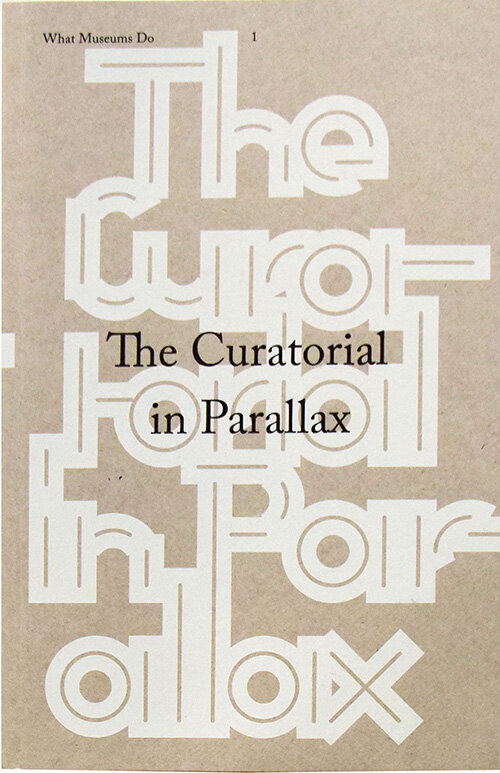





ISBN : 9788963031972 / 279쪽 / 363g / 150 x 230 (㎜)
이 상품에 궁금하신점이 있으세요? 1:1상담문의



아래의 도서와 구매하시면 이 도서들의 적립금을 즉시적용해 드립니다.
-
-
국립중앙박물관 「유물멍 원고 공모전」 필진
-
케일라 재니스
-
안드레아 롱 추
- 18,000
- 20,700
- 62,100
- 22,500


출판사 리뷰
The publication that you have in your hands answers a very simple yet, for some, not so evident question: Why do museums engage in research activities? Why do they expend part of their budget on intangible, immaterial, and apparently useless actions in which curators and researchers, members of the staff, and freelancers, members of the staff, and resources? Why do museums need to hire specialists in fields that seem to be remote from the concerns of a large number of citizens? In actuality, the role of museums as institutions dedicated to public culture and enhancing knowledge mandates us to strive beyond the mere tasks of conserving and exhibiting artifacts that represent the material culture of a particular society. Whether through explicit transmission of knowledge or providing an intense experience of and with artworks, museums should never abandon their priority mission of making societies advance and improve. For this reason, the National Museum of Modern and Contemporary Art, Korea, and all museums must continuously research and innovate in our practices and the discourses about our objectives, as well as the implications and meaning of the messages we elaborate and transmit. Globalization produced the conviction that we are all citizens of the same world (or the same planet). This presented an incredible opportunity for the MMCA to define the institution’s identity with the creation of an original, precise, hopefully elegant discourse about art that could be perceived and enjoyed globally, especially after being perceived and enjoyed locally. And that discourse could not only be about Korean art: It would have to be centered around the contribution Korean artists have made, since the late nineteenth century, to the global narrative of modernity, a nonlinear narrative that does not comply with Western canons. In museums, the intellectual capacity to generate poetry, revelation, and beauty is the expression of the potential of research. While the Korean public museum landscape is strong in terms of “hardware” (number of institution, square meters of curators, etc.), it has a significant opportunity for growth in terms of “software” (intellectual production, critical debates, audience development, and so forth). In order conversation, we have as great a need for software as hardware. Singularity is possible when the subjects who speak and produce are well aware of their surroundings, of what other colleagues are thinking and doing. Networks and collaborative ties are essential. To this end, we decided to make the museum think, express, argue, discuss, explain, narrate, talk (and listen), act, interact, exchange, and trade-from us, with others. We call all of this “research.” What Museums Do 1: The Curatorial in Parallax is the first chapter in our conviction that thinking is a collective activity, that existence is relation, and that identity is permanent exchange and evolution. I would like to express our sincere gratitude to all the participants who have made this start to our initiative a true success. All of our audiences-analog and digital, viewers of live and broadcasted event, and mow readers-have been and will be indispensable partners with the MMCA in this exciting endeavor. 미술관은 왜 연구하는가? 이 책은 매우 간단하지만 누군가에게는 명확하지 않은 질문에 대한 대답이다. 미술관은 왜 연구 활동을 하는가? 미술관은 왜 큐레이터, 연구자, 미술관 직원, 프리랜서들의 시간과 역량이 들어가지만 형체 없고 비 물질적이며 겉보기에 무용한 활동에 예산을 들이는가? 미술관은 왜 대다수 시민과의 관심사와 동떨어진 듯한 영역의 전문가 들과 함께 해야만 하는가? 공공의 문화에 이바지하고 지식을 향상하는 기관으로서 미술관을 우리가 특정 사회의 물질 문화를 보여주는 작품의 보존과 전시라는 임무 이상을 수행하기를 요구한다. 지식을 명확하게 전달하든 강렬한 작품 경험을 제공하든, 미술관은 사회의 진보와 발전에 기여해야 한다는 최우선 과제를 저버려서는 안 된다. 국립현대미술관을 비롯한 모든 미술관이 공들여 만들고 전달하는 메시지의 영향과 의미뿐만 아니라 이러한 목적에 대한 담론과 실천을 끊임없이 연구하고 혁신해야 되는 이유 이다. 세계화는 우리 모두가 같은 세계 혹은 같은 행성의 시민이라는 확신을 낳았다. 덕분에 국립현대미술관의 정체성을 정의할 더 없는 기회를 마주하게 되었다. 국내에서 향유될 뿐만 아니라 전 세계에서 인식될 수 있는 예술에 관해 독창적이고 정교하며, 바라건대 우아한 담론을 창조하는 기관으로서 말이다. 그 담론의 내용은 한국미술에 한정 될 수 없으며, 한국의 미술가들이 19세기 후반 이후 모더니티라는 전지구적 서사에, 즉 서구의 규범에 순응하지 않는 비선형적 서사에 기여한 것을 중심에 두어야 한다. 미술관에서 우아함과 깨달음과 아름다움을 낳는 지적 능력은 연구의 잠재 성이 표출된 결과다. 한국 공공미술관의 지형은 기관의 숫자, 전시장 규모, 큐레이터 인원 등 ‘하드웨어’ 면에서는 무척 탄탄하지만 지적 생산, 비평적 논쟁, 관객개발 등 ‘소프트웨어’ 면에서는 성장의 여지가 상당하다. 전 지구를 대상으로 한 문화적 대화 에서 한몫을 하려면 하드웨어만큼이나 소프트웨어도 필요하다. 발언하고 생산하는 주제의 특이성은 자신을 둘러싼 환경과 다른 동료들의 생각과 행동을 잘 알고 있을 때 가능해진다. 네트워크와 협력이 필수적이기에 우리는 미술관을 생각하고 표현하고 주장하고 토론하고 설명하고 이야기를 전하고 말하며 (또 듣고)행동하고 상호작용하고 교류하고 주고 받는 곳으로 만들어 가기로 했다. 우리로부터 다른 이들과 함께 말이다. 이 모두를 우리는 ‘연구’라 부른다. 〈미술관은 무엇을 하는가〉 프로젝트의 첫 번째 주제는 ‘미술관은 무엇을 연구하는가?’의 결과물인 이 책 『큐레토리얼 사이와 변주』는 사유란 공동의 활동이며 존재는 관계이고 정체성은 영구한 교류이자 진화라는 우리의 확신을 선보이는 첫 장이다. 이 기획의 시작을 성공으로 이끈 참여한 모든 분께 진심으로 감사드린다. 우리의 이러한 노력을 아날로그와 디지털로 만난 관객, 현장에서 혹은 온라인 방송을 통해 만난 관객 그리고 지금 이 책의 독자 여러분 모두 예전에도 앞으로도 국립현대미술관의 소중한 동반자다. 더불어 프로젝트의 문을 성공리에 열고 탄탄히 이어지게 해 준 연구기획출판팀에게도 축하의 인사를 전한다.

-
- 저자 : 국립현대미술관지음

Bartomeu Mari Foreword 9
Song Sujong & Kim Seng Eun Introduction 13
Research Practice Revisited
James Elkins What is Research in a Museum? 23
Irit Rogoff Becoming Research 39
Museum Research - Program, Project, Platform
Beck Jee-sook What Museums Don’t Research: A Survey through one opening 57
Paola Antonelli Museums (and Design) as the R&D of Society 77
Margriet Schavemaker Changing the Game: Museum Research and the Politics of Inclusivity 89
Victoria Walsh Situated Research: Curating, Technology, and the Future 107
The Curatorial and Knowledge Production
Beatrice von Bismarck Constellations and Transpositions: On the Political Potential of Curatorial Practice 129
Paul O'Neill Exhibitions as Curatorial Readymade Forms of Escape 143
Simon Sheikh Thinking with Exhibitions, Thinking with People 159
Kim Seong Eun A Critical Muscle, a Choreographic Terrain 173
James Voorhies I Call This Work Research 193
The Imaginary of Institutions
Annette Jael lehmann Mind the Gap: Insights into Practice-Based Research on Performance Art and media between Universities and Museums 213
Dorothee Richter From (Un) learning Curating to Teaching to Transgress 231
Lim Shan Art as Strategy for Social Transformation and Community Pedagogy: Lessons from Institutional Critique and Critical Pedagogy 243
Pascal Gielen Between Creativity and Criminality: On the Liminal Zones of Art and Political Action 259

