









출고예상일 안내
주문하신 상품이 한국에서 현지 배송을 위한 출고단계가 이루어질 것으로 예상되는 날짜입니다. 상품을 준비하는 과정에서 내부적인 사정으로 인해 출고예상일에 다소 오차가 생길 수 있습니다.
여러 상품(예약상품포함)을 함께 주문하신 경우 출고예상일이 가장 늦은 날짜에 맞춰 함께 배송됩니다.


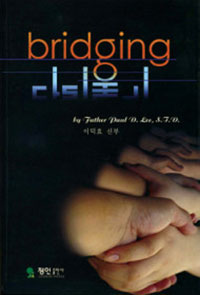





ISBN : 9788989432579 / 313쪽 152 x 223 (㎜)
이 상품에 궁금하신점이 있으세요? 1:1상담문의



아래의 도서와 구매하시면 이 도서들의 적립금을 즉시적용해 드립니다.

- 21,600
- 14,400
- 10,800
- 30,600


출판사 리뷰

-
- 저자 : 이덕효

Introduction:
On Bridging
The image of bridging is apropos in many relationships. It is eminently theological too. This image may refer to the divine initiative that launches the dialogue of salvation with us. God speaks to us. Through His Word God creates all existing things, reveals His plan, heals and forgives sinners. By enlightening our minds and healing our brokenness, God reestablishes relationships. God is the quintessential bridge?builder. Our capacity to hear and respond to the Word of God vividly characterizes the human persons as dialogical partners with God. In turn we are invited to be bridge?builders.
The word for the Bishop of Rome is ‘pontifex’ in Latin, which simply means a bridge?builder. The pope’s primary mission is the ministry of unity among all Christians. The late Pope John Paul II was keenly aware of this duty and he invited people to advise him on how he might better exercise this ministry (Ut Unum Sint). Obviously this bridge?building is not reserved for popes only, but it is for all in this broken world.
I had an opportunity to visit and walk on the famous Bridge of Mostar that connected the lives of Christians and Muslims for almost 500 years in an ancient town between the Balkans and Europe. This masterpiece of medieval masonry was the highest and biggest stone?arch of its time and stood as a symbol of understanding between cultures. Sadly, it was destroyed by Croatian artillery in 1993, which left a wound that has not healed to this day. With all the contemporary technology, the success to rebuild the build is not certain.
It is easy to build a wall, because it does not take much to lay stone or bricks straight up. But it takes a far more thinking, planning, and skills to build a bridge. We are used to making demarcations and building walls, based on regional, cultural, religious, and political differences. But we may not be all that mindful or skillful about building bridges. It is easy to cut ties but it is difficult to reconnect severed relationships. Just think about persistent family feuds, including the disunity among Christians. The people entrusted with the ministry of reconciliation, the people who are called to be known as brothers and sisters of Christ through mutual love, have become a counter?sign.
When I think about my priesthood, the most prominent challenge is precisely that of bridge?building. The priest is called to be a bridge between God and his people by representing and offering God’s goodness and grace to his people, while reporting to God the joys and travails of the people and begging his mercy on his people.
I had an opportunity to learn ecumenism and interreligious relationships in Rome from 1990 to 1994 in my post?graduate studies. Upon returning from Rome, I have been serving as Archdiocesan Director of Ecumenical and Interreligious Affairs in Washington. It has been a fabulous and grace?filled privilege to interact and befriend many fascinating and holy people from all different religions. Of course, the challenge is still formidable. My writings and lectures inevitably have been often about the subjects related to ecumenism and interreligious matters.
Another aspect of my more recent priestly ministry has to do with the pastoral care of Korean?American Catholics. The immigrants’ concerns poignantly bespeak our human condition as pilgrims and wayfarers. The Church has been the safe haven for them as the immigrants struggle to settle in unfamiliar surroundings.
Whether the concern is about spirituality, namely, pursuing and encouraging a healthy relationship with God and with others, or about promoting reconciliation and understanding among people of diverse religions and cultures, the image of bridging is most helpful and useful. The Pontifical Council for Interreligious Dialogue has a significant statement in this regard: “It must be remembered that the Church’s commitment to dialogue is not dependent on success in achieving mutual understanding and enrichment; rather it flows from God’s initiative in entering into a dialogue with humankind and from the example of Jesus Christ whose life, death and resurrection gave to that dialogue its ultimate expression” (Dialogue and Proclamation, 53).
To become God’s green thumb is a fine goal. What God touches is invigorated and vitalized. As I am about to mark a humble milestone on the occasion of the twenty?fifth anniversary of my priestly ordination, I hope to be just that in spite of my failures and shortcomings.
I am indebted to so many people in my priestly journey. My parents and family have given me unquestioning and unconditional love. Many a time the people I served and worked with in parishes, the Pastoral Center of the Archdiocese of Washington, and various dialogues have been inspirational, for which I am profoundly grateful. This collection of some of my writings is dedicated to all the people that have indelibly and positively impacted my life’s journey.
Fr. Paul Dukhyo Lee
---본문 중에서

목차
Peace be with you!
Introduction: On Bridging
Part One: Forging Communication among Christians
Part Two: Developing Friendship among Religions
Part Three: Pastoral Vision for Korean-American Catholics
Part Four: Columns and Homilies
About the Author

